Transmission vs. Engine Trouble: How to Tell the Difference When Your Car Won’t Shift Right
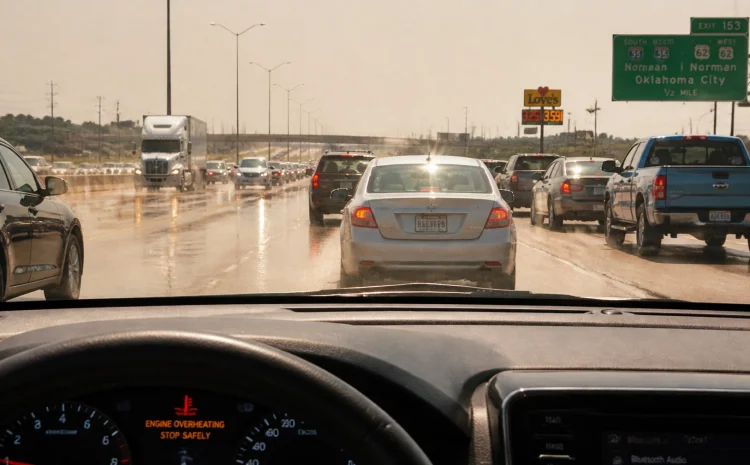
It’s 4:45 PM on a Friday in late July. You’re inching along the Broken Arrow Expressway, the Oklahoma sun is beating down with a relentless 102-degree fury, and your air conditioning is fighting for its life. Suddenly, as traffic clears and you press the gas to merge onto I-44, your car does something… weird.
Instead of a smooth surge of power, the engine roars, but the car barely moves. Or maybe it jerks like it’s hiccuping, or you feel a strange shudder through the steering wheel that wasn’t there when you left the office.
In that moment of panic, every driver asks the same terrifying question: “Is my engine about to explode, or is my transmission giving up the ghost?”
When your car won’t shift right, it’s easy to assume the worst. However, identifying whether you need a mechanic Tulsa OK for an engine tune-up or a transmission overhaul can save you a lot of sleep: and potentially a lot of money. At Midtown Automotive Repair Specialists (M.A.R.S), we see this confusion daily. Let’s break down the symptoms of these two automotive giants so you can speak the language of professional auto repair Tulsa.
The Tulsa Heat Factor: Why July is Brutal on Your Car
Before we dive into the symptoms, we have to talk about our local climate. Tulsa summers aren’t just uncomfortable for humans; they are hostile environments for machinery. According to the National Highway Traffic Safety Administration (NHTSA), extreme heat is one of the primary causes of vehicle breakdowns.
Heat thins out vital fluids. Your engine oil and transmission fluid both have “operating windows.” When the mercury hits triple digits and you’re stuck in stop-and-go traffic near the 169 interchange, those fluids can exceed 225°F. At these temperatures, transmission fluid begins to oxidize, losing its ability to lubricate and provide the hydraulic pressure needed for shifting. Similarly, your engine’s cooling system is under maximum load, making any small leak or weak belt a catastrophic failure waiting to happen.
Is It the Transmission? The “Slip and Slide” Symptoms
If your car is struggling to find the right gear or staying in gear too long, you’re likely looking at a transmission issue. The transmission is the “middleman” between your engine and your wheels. If the middleman is tired, the power doesn’t get delivered correctly.
1. The Engine Revs, but the Car Doesn’t Move (Slipping)
This is the classic “slipping” sensation. You’re at a light on Yale Ave, you step on the gas, and the engine’s RPMs shoot up: making that familiar “vroom” sound: but the car accelerates at a snail’s pace. This usually indicates that the internal clutches or gears aren’t engaging properly. In the July heat, this is often caused by low or burnt fluid that can no longer create enough friction.
2. Harsh or Delayed Shifting
If you feel a noticeable “clunk” or a sudden “jolt” when the car changes gears, or if there is a three-second delay between shifting from Park to Drive, your transmission is crying for help. For our European vehicle owners: like those driving a BMW or Audi: this can often be an electronic sensor issue or a failing solenoid.
3. The “Burnt Toast” Smell
Transmission fluid has a distinct, slightly sweet smell when it’s healthy (and it should be bright red). When it overheats, it takes on an acrid, burnt odor. If you step out of your car after a long drive through Midtown and smell something like scorched paper, it’s time for car diagnostics Tulsa.
4. Shuddering or Vibrations
Does your car feel like it’s driving over a rumble strip even when the road is smooth? This “shudder” often happens when the torque converter is struggling to lock up. It’s a common symptom that drivers mistake for an engine misfire.

Is It the Engine? The “Sputter and Stall” Symptoms
Sometimes, what feels like a shifting problem is actually the engine failing to provide consistent power to the transmission. If the engine is “stumbling,” the transmission won’t know what gear to be in.
1. The Temperature Gauge is Redlining
This is the most obvious sign. If that little needle on your dashboard is creeping toward the “H,” you have an engine cooling problem. While a hot engine can eventually cause the transmission to run hot too, the root cause is usually a failing water pump, a leak in the radiator, or a broken cooling fan.
2. Misfires and Stuttering
If your car jerks while you’re cruising at a steady speed on I-44, it might be an engine misfire. A misfire happens when one of the cylinders fails to fire correctly: often due to a bad spark plug or ignition coil. Because the power delivery is interrupted, it can feel like the car is “tugging” or “shifting” incorrectly, but it’s actually a rhythmic loss of engine power.
3. Reduced Power (Limp Mode)
Modern vehicles are smart. If the engine computer detects a major fault, it will put the car into “Limp Mode.” This limits your speed and often prevents the car from shifting into higher gears to protect the engine from further damage. It feels like a transmission failure, but the transmission is actually just following orders from a panicked engine computer.
4. Visible Steam and Sweet Smells
Unlike the acrid smell of burnt transmission fluid, engine coolant smells sweet: almost like maple syrup. If you see white “smoke” (which is actually steam) drifting from the edges of your hood while you’re parked at a QuikTrip, you’re dealing with an engine cooling system failure.
The Intersection: When Both Systems Fight
In a Tulsa summer, the engine and transmission are effectively teammates. Most vehicles use the same radiator to cool both the engine coolant and the transmission fluid (via a separate chamber or heat exchanger). If your engine is running at 240°F because of a leak, it’s not going to be able to cool your transmission fluid effectively.
According to industry data from the Car Care Council, nearly 22% of vehicles on the road have low or contaminated coolant, which is the leading cause of overheating-related failures. This “cross-contamination” of heat is why a simple cooling system repair can sometimes “fix” a transmission that was starting to shift poorly.
Why Guesswork Is a Dangerous Game
Modern cars are rolling computers. In the past, a mechanic could listen to a noise and have a pretty good idea of what was wrong. Today, a “slipping” sensation could be a physical gear failure, or it could be a $50 speed sensor that’s sending bad data to the car’s brain.
At Midtown Automotive Repair Specialists, we don’t believe in “parts cannon” diagnostics: where a shop just keeps replacing parts until the problem goes away on your dime. Instead, we utilize advanced car diagnostics to communicate directly with your vehicle’s control modules.
Our ASE Master Certified technicians have over 10 years of experience navigating the complexities of both domestic and high-end European vehicles like Mercedes, Audi, and Volkswagen. We use the same factory-level scanning tools found at the dealerships, but with the personal touch of a family-owned shop that treats you like a neighbor, not a ticket number.
Protecting Your Ride This Summer: A Quick Checklist
If you’re worried about the heat getting the best of your vehicle, here are three things you can do today:
- Check Your Fluids: If your car has a dipstick for transmission fluid (many modern ones don’t!), check the color. It should be pinkish-red. If it’s brown or smells like a backyard bonfire, come see us.
- Listen to the Shift: Pay attention to the “points” where your car shifts. Is it taking longer than usual? Is the RPM needle jumping?
- Don’t Ignore the Light: A flashing Check Engine light is an emergency. A solid one is a warning. Both deserve a professional scan before a $200 sensor repair turns into a $4,000 transmission replacement.
Trust the Specialists at M.A.R.S
Whether it’s the stop-and-go stress of the daily commute or a planned road trip out of the 918, you need to know your car is reliable. We back our qualifying repairs with a 36-month/36,000-mile warranty, giving you peace of mind that lasts long after the summer heat has faded.
Don’t let a “weird shift” turn into a breakdown on the side of a scorching highway. Whether you need an expert mechanic Tulsa OK for a routine check-up or complex auto repair Tulsa for a European luxury car, we’re here to help.
Is your car acting up in the heat? Stop by Midtown Automotive Repair Specialists today or schedule your advanced diagnostic appointment to find out exactly what’s going on under the hood.